
Commercial & Industrial Solutions


Portable Solutions
How Thermal Imaging Helps Detect Electrical Issues Early
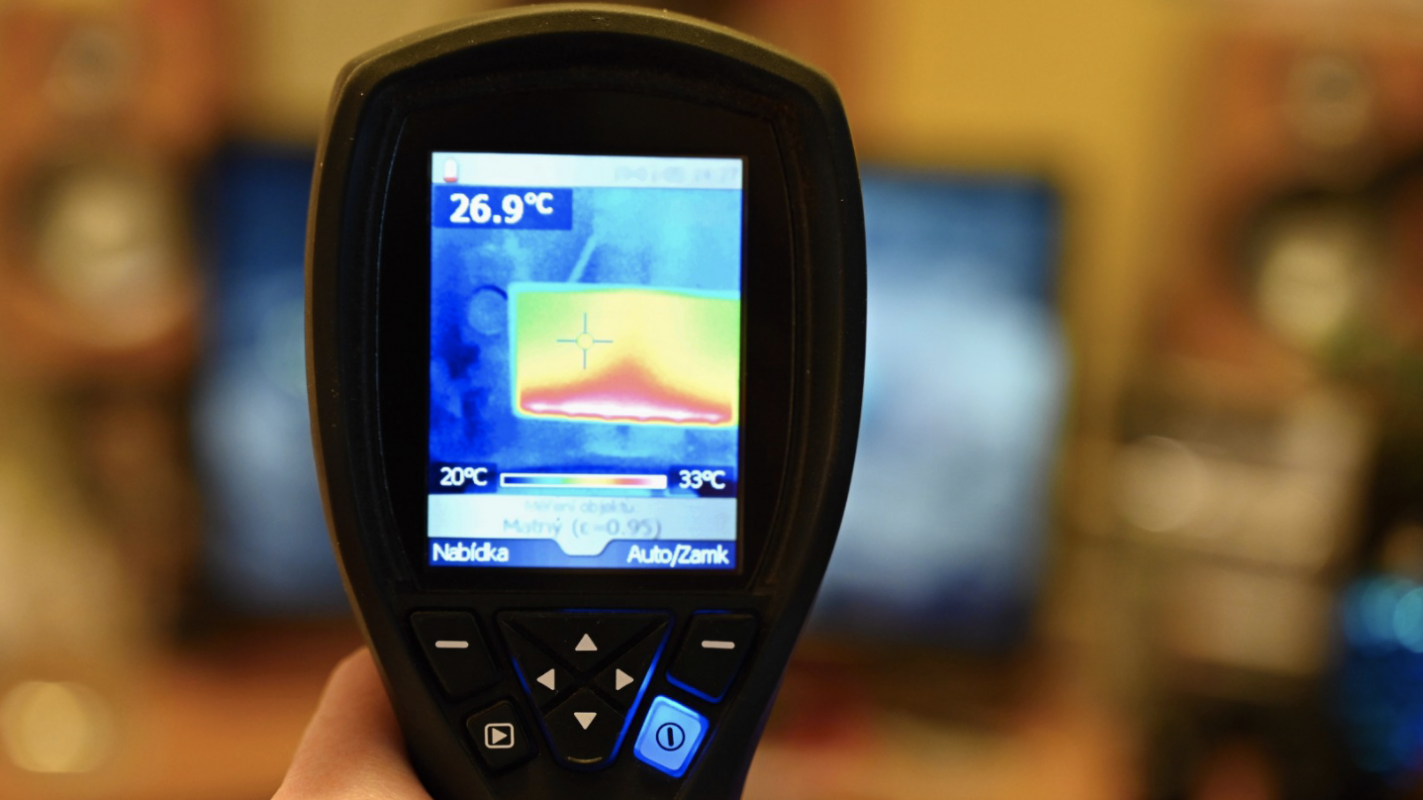
The largest problem with electrical troubles within a power generation system is their silent nature. The average operator simply won’t see anything wrong with the generator by looking at it. Everything will appear to function as it should, until one day the generator catastrophically fails for seemingly no reason at all, or even worse, catches fire. Electrical systems are capable of functioning for a long time, even under less than ideal conditions, until they’re not. Thermal imaging for generators is, therefore, one of the best tools for catching potential electrical issues early and repairing them before they become a much bigger and more expensive problem for the operator.
What Is Thermal Imaging
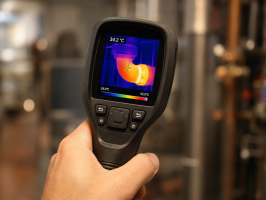
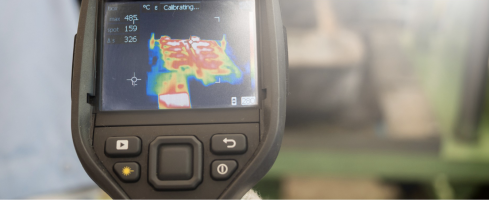
Thermal imaging is the process through which a technician utilizes an infrared camera to detect heat differences in a generator while it is in operation. A generator will always produce heat while it is working. This, on its own, is not a problem. It is when temperatures in one area of the machine begin to exceed the parameters of their normal operational range, as prescribed by the manufacturer, that this may indicate an electrical issue with the components. Thermal imaging is a non-invasive diagnostic tool and does not require the technician to physically interact with any of the components.
Common Electrical Issues in Generators
Whether the generator in question runs on natural gas or diesel, there are common electrical issues that are known to invisibly affect generators until a failure occurs.
Overloaded Circuits
Deposits from operational sediment on the circuitry can lead to resistance and overloading. Excess current from the generator producing more power than requested may also create hot spots. These issues can be detected through thermal imaging before a failure occurs.
Loose or Corroded Connections
Loose or corroded connections within a generator may be mostly invisible to the naked eye, but they dramatically increase resistance and heat.
Failing Components
When breakers, fuses, or transformers begin to fail, they work harder to compensate, which can lead to uneven heating. Detecting these issues early with thermal imaging helps to prevent sudden failures.
Imbalanced Loads
Uneven distribution of electricity across the unit can lead to long-term damage and uneven heating. Thermal imaging can help to pinpoint the source without invasive diagnostics.
Benefits of Early Detection
It is commonly said that an ounce of prevention is worth a pound of cure, and this remains true in the context of thermal imaging for generators. When a machine fails, it leads to costly downtime and expensive repairs. A generator is supposed to function when it is needed. A failing unit that could have been diagnosed and repaired earlier presents not only an economic risk, but a safety hazard due to the dangers of a possible electrical fire. Thermal imaging is a low-risk, economical diagnostic tool that helps ensure that the generator will be reliable when it is needed most.
Thermal Imaging for Generators with GenTech – The Experts You Can Trust
At GenTech, we have decades of power generation and generator repair experience. Our expert technicians have the knowledge and skill set to diagnose and repair nearly any portable or stationary power generation system, and thermal imaging is just one tool in their arsenal. Contact us today to learn how we can minimize your industrial downtime.
From Insights to Power: Let’s Talk Solutions
Whether you need emergency power, maintenance, or expert guidance on your generator system, Gen-Tech has you covered. Our experienced team provides industry-leading service to keep your power running when it matters most. Call (800) 625-8324 to discuss your power generation needs today!
Contact Us


