
Commercial & Industrial Solutions


Portable Solutions
Power Distribution Basics: Why Getting Electricity From a Generator to Equipment Isn’t as Simple as It Sounds
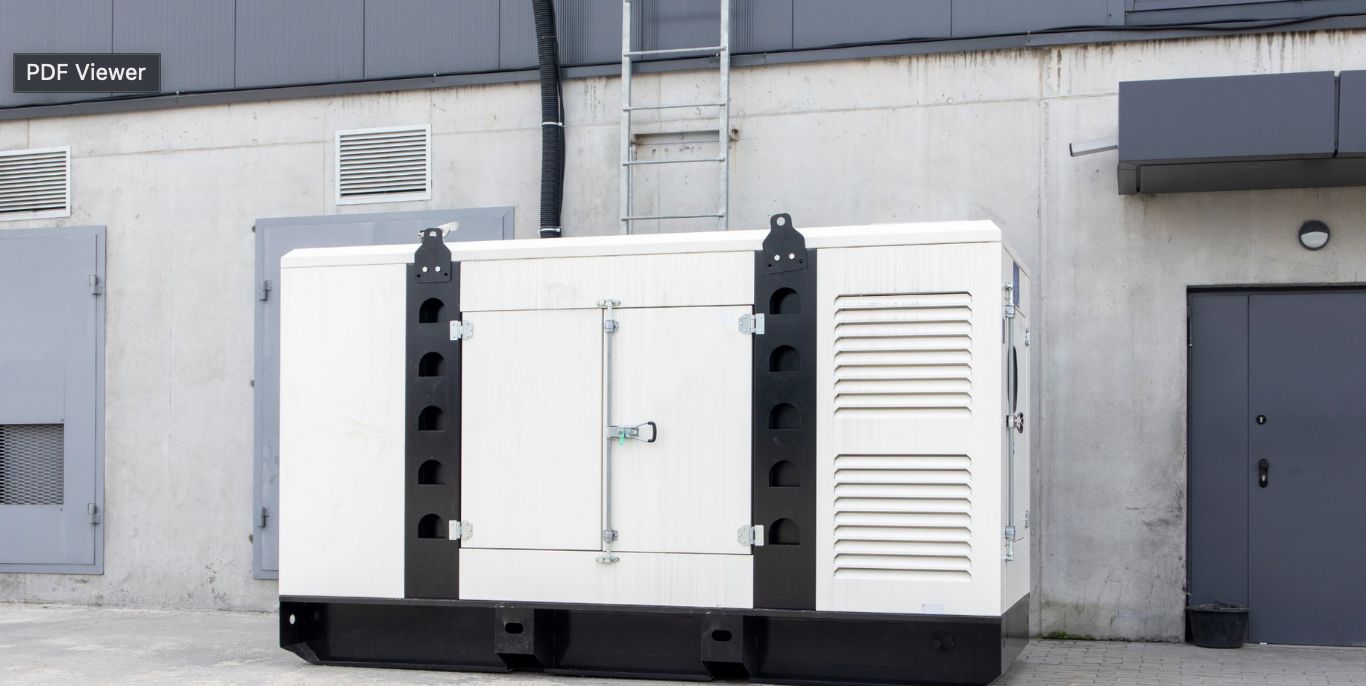
Safe and reliable generator operation depends on a properly designed power distribution system that matches equipment requirements, protects against hazards, and ensures efficient power delivery.
It can be tempting to believe that using a generator is as simple as turning the machine on and plugging equipment directly into it. But this is a misconception. Delivering power safely and efficiently requires a well-thought-out distribution system. Without one, improper generator use can easily lead to equipment damage, safety hazards, downtime, wasted funds due to inefficiency, and even damage to the generator itself. A basic understanding of power distribution is critical for safe operation.
What a Generator Does
Simply put, a generator is a device that converts mechanical energy into usable electrical energy. While mechanical energy can theoretically come from many sources, portable and standby power generation systems typically rely on diesel or natural gas. The voltage level may vary depending on the size of the generator and its intended application. However, the frequency must match the requirements of the connected equipment to ensure safe operation and prevent damage. Because equipment often has different voltage and current requirements, additional distribution equipment is necessary to make the generator's power output safe and usable.
Key Components of a Power Distribution System
A basic power distribution system is made up of several key components, starting with distribution panels. These serve as control points for routing electricity and dividing generated power among multiple circuits and devices. Circuit breakers protect by automatically disconnecting power when unsafe conditions occur. Transformers adjust voltage levels to match the requirements of connected equipment and are critical when generator output differs from equipment specifications. Power distribution units (PDUs), along with various cables and connectors, help organize electrical distribution and carry power from the source to the equipment where it is needed. All of these components must be selected based on voltage requirements, current loads, and environmental conditions.
Power Supply Must Safely Match Equipment Demand
Every piece of equipment connected to a system draws a specific amount of power, and different devices can have dramatically different power requirements. As a result, load calculations are critical when selecting a generator and must continue to be considered when designing and managing an effective distribution system. An improperly balanced system can lead to tripped breakers, generator overload, and equipment malfunctions that reduce reliability or create unsafe conditions such as fire.
When designing a power distribution system, several safety factors are non-negotiable. Chief among these are grounding and bonding, which protect personnel from electrical shock and provide a safe path for fault currents. Overcurrent protection, in the form of fuses and breakers, helps prevent excessive current flow and reduces the risk of fire and equipment damage. Finally, the system must be designed with environmental factors such as moisture, heat, dust, high winds, and precipitation in mind. All systems must also comply with applicable local and state safety regulations.
Don’t Guess — Trust the Experts
Designing a power distribution system that is both effective and safe is not a task for beginners. To ensure the highest standards of safety and performance, you need the expertise of skilled power generation technicians. With decades of experience, we at GenTech have the knowledge and expertise to help. Contact us today for a consultation.
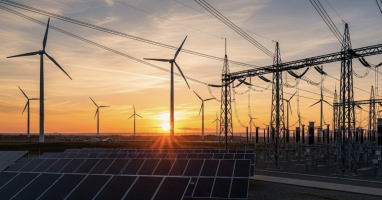
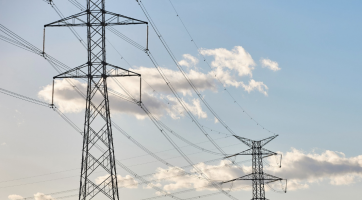
Power Distribution System (PDS) Design
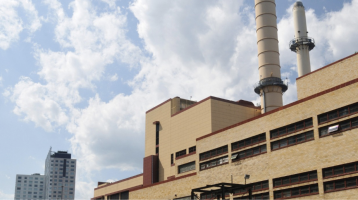
CHP Solutions for Reliable, Efficient Energy
From Insights to Power: Let’s Talk Solutions
Whether you need emergency power, maintenance, or expert guidance on your generator system, Gen-Tech has you covered. Our experienced team provides industry-leading service to keep your power running when it matters most. Call (800) 625-8324 to discuss your power generation needs today!
Contact Us


